
Coconut oil will clog drains in Chesterfield, MO, and it does so faster than most cooking oils. It melts at about 76 degrees, which is roughly room temperature in many kitchens. Poured down a sink warm or melted, it cools in the pipe and hardens into a waxy coat.
One spoonful rarely causes trouble. Years of small amounts build a layer that narrows the pipe until food scraps and hair stick to it. This guide shows what happens inside, what to do with fats instead and how to tell a kitchen drain clog from a line problem.
What happens to coconut oil inside a pipe
Hot water from the tap carries melted oil through the trap and into the drain line. The pipe wall is cooler than the oil, so the oil cools on contact and sticks. The drain line is often not heated and sits in a wall, a crawl space or under a slab.
Each wash leaves another thin film. Over weeks the film thickens, grabs coffee grounds, rice and soap scum and turns into a gray, soft plug. Hot water can melt it for a moment, but the oil moves down the line and sets again farther away.
Coconut oil is more saturated than olive or vegetable oil, so it hardens at warmer temperatures. That makes it a worse choice for a drain than liquid oils, though none of them belong there.
Fats that clog versus fats that are less likely to
No cooking fat is safe for a drain. Some are simply worse.
Solidify quickly in pipes
- Coconut oil
- Butter and ghee
- Bacon grease and lard
- Shortening
- Palm oil
Stay liquid longer, still not drain safe
- Olive oil
- Canola and vegetable oil
- Sesame oil
- Salad dressings
- Nut oils
Signs a grease buildup is forming
Slow draining kitchen sink
Water sits for a minute after you pull the stopper and clears in a lazy swirl.
Gurgling after the sink empties
Air is fighting through a partial blockage in the line.
A sour or rancid smell
Old fat in the trap and pipe breaks down and smells.
Other fixtures react
The dishwasher or a nearby sink drains slowly or backs up with it.
Repeat clogs after cleaning
A plug that returns in a few weeks usually means a greasy coat is still on the walls.
Poured oil down the drain already?
Run hot water, skip the chemicals and watch how the drain behaves.
What to do instead of pouring it down the drain
Let it cool and harden
Pour fat into a heat-safe jar or an old can and let it set.
Wipe pans first
Use a paper towel to wipe out the pan before washing. Put the towel in the trash.
Bag it for the trash
When the container is full, seal it and throw it away with household trash.
Use a sink strainer
A basket strainer keeps food bits out so they cannot catch on any film that remains.
Keep it out of the disposal
A garbage disposal grinds food but does not stop fat from coating the pipe.
Kitchen clog or a bigger line problem?
A grease clog is usually local to one fixture. A main line problem affects more of the house.
| What you see | Likely location | Next step |
|---|---|---|
| Only the kitchen sink drains slowly | Kitchen trap or branch line | Clean the trap and try a hand auger |
| Sink and dishwasher both slow | Shared drain below the sink | Snake the line or call for a machine |
| Kitchen, laundry and a bathroom all slow | Main drain or house line | Call a plumber for a camera look |
| Water backs up in a floor drain or tub when you run the sink | Main line or lateral blockage | Stop using water and call |
| Wet spot in the yard along the sewer path | Lateral damaged or blocked | Call for a sewer inspection |
Chemical drain openers can burn skin, damage old pipe and make the next repair more dangerous. Skip them if the drain is fully blocked.
How a plumber finds a grease clog and clears it
The first step is to learn how far the problem reaches. We ask which fixtures drain slowly, then run a drain machine until the cutter meets the blockage. The feel of the cable often tells us whether it is soft grease, a hard plug or a root mass.
For a greasy line, a cutter alone can leave a thin film on the wall, which regrows into a new plug. A hydro jetter uses high pressure water to strip the pipe, and a pipe camera shows whether the wall is clean and the line is intact afterward.
If the camera shows a sag, a crack or a root entry, no amount of cleaning will fix it, and repair is the honest next step. A grease habit and a damaged pipe often show up together.
Chesterfield sewer laterals and the City repair program
The City of Chesterfield says the property owner is responsible for the lateral sewer service line. The City runs a Residential Sanitary Sewer Lateral Repair Program that can cover certain lateral repairs up to $15,000, but only after a licensed plumbing company or licensed drainlayer has cabled the line and it did not clear the problem.
Routine cabling is not reimbursable, and the owner pays for the cabling and any cost above the cap. Keep the cabling invoice, because applications need it. Ask the City's Department of Public Works whether your repair qualifies. The program also has a non-refundable $200 application fee.
Source types: city website.
Kitchen habits that keep fat out of the line
- ✓Scrape plates into the trash before rinsing, including butter and sauce.
- ✓Keep a small lidded jar by the stove for cooking oil and bacon fat.
- ✓Wipe greasy pans and baking sheets with a paper towel before they reach the sink.
- ✓Run hot water for a short time after washing a heavy load of dishes to move residue along.
- ✓Do not rely on enzyme or bacteria products to replace cleaning once a line is slow.
- ✓Empty the sink strainer basket daily.
What affects the cost of clearing a grease clog
A short trap clog is a small job. A line coated for years takes more.
Homeowners policies commonly do not cover clogs caused by wear or maintenance. Water damage from a sudden backup may fall under a different clause, so read your policy.
Want the real number for your job? Call the 24/7 line, describe the work, and hear a clear price before anything starts.
When to call us
If a hand auger does not clear the sink, our drain cleaning team can run a machine through the line. Heavy grease needs more than a snake, and sewer line cleaning covers the main line out to the lateral. Tell the plumber that fat was the likely cause so they bring the right cutter.
We serve nearby towns too, including Ballwin and Creve Coeur. If sewage is backing up into the house, stop using water and call the 24/7 line.
Questions readers ask
No. Hot water moves it along, but it cools and hardens farther down the pipe where you cannot see it.
Soap helps emulsify grease on dishes but does not clear solid buildup in a pipe. It may push the fat farther along.
No. The disposal grinds solids but cannot stop oil from coating the pipe after the blades.
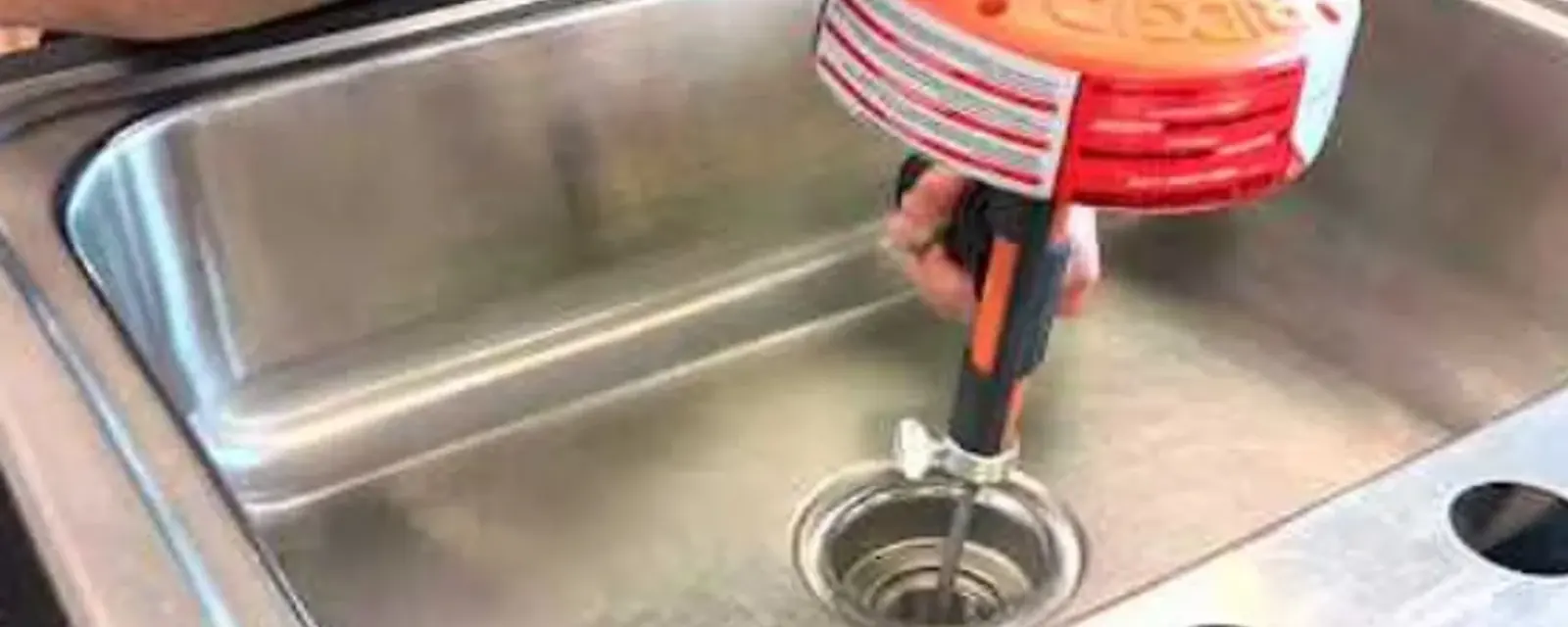
Remove the trap, clear it, then try a hand auger. A stubborn line needs a machine or a hydro jetter.
The City says the property owner is responsible for the lateral. A City repair program can cover certain repairs after cabling fails, so keep the cabling invoice and ask the Department of Public Works if you qualify.
Reference points for this guide: The Uniform Plumbing Code (UPC) and the International Plumbing Code (IPC) are the model codes most U.S. jurisdictions adopt, and the local permitting authority decides which edition and amendments apply. Sewer lateral ownership and the repair program are described by the City of Chesterfield. This guide is general information and does not replace a visit.